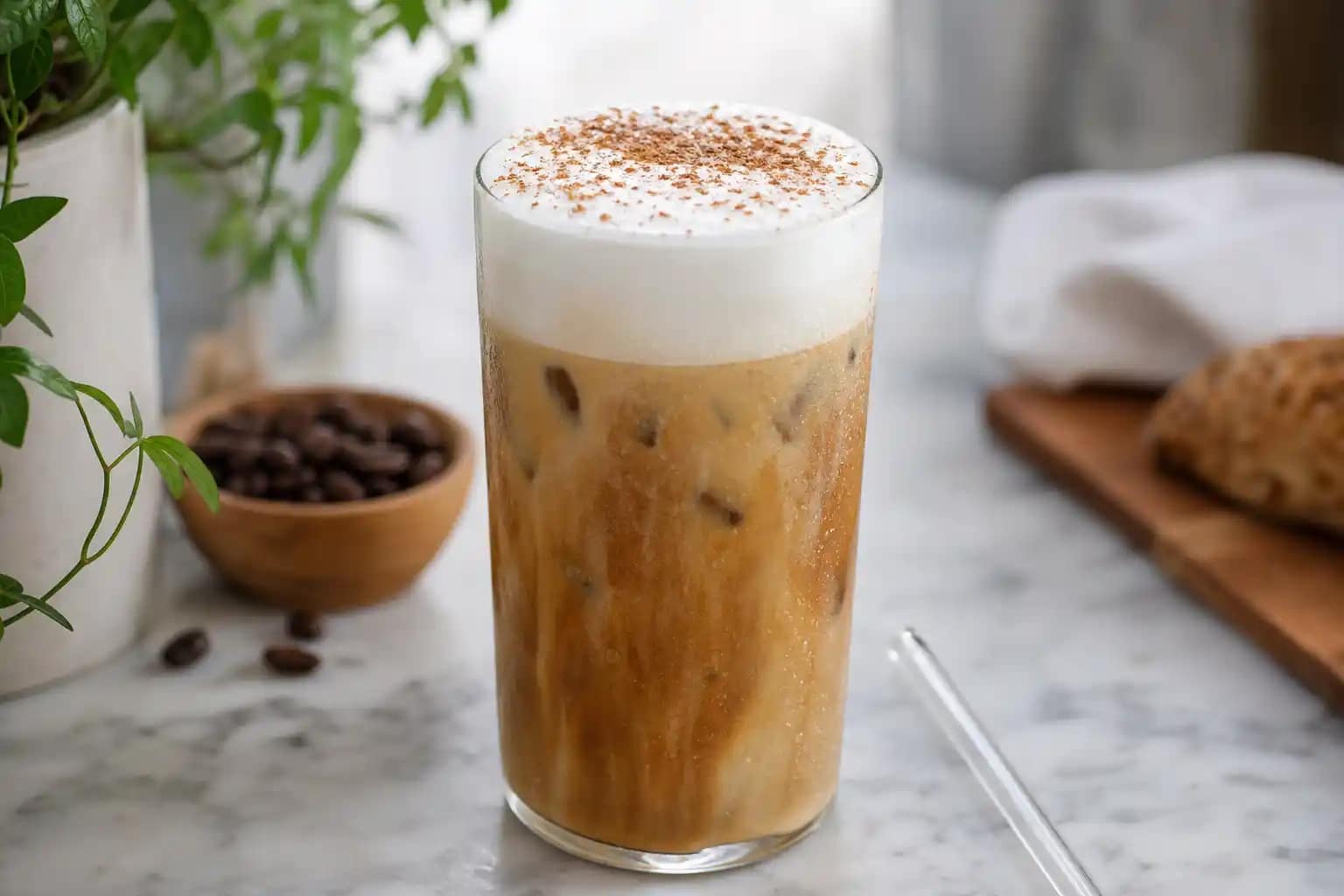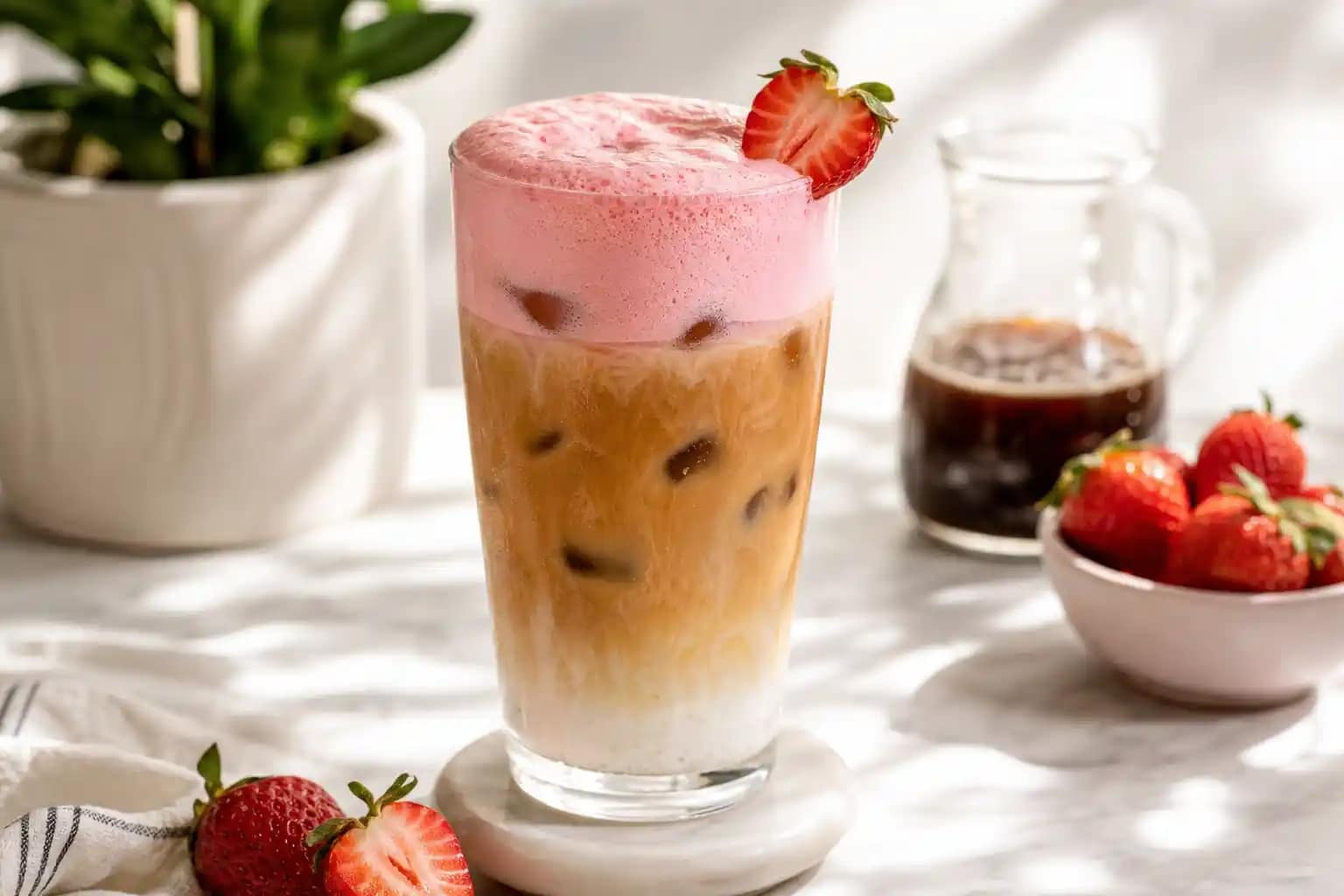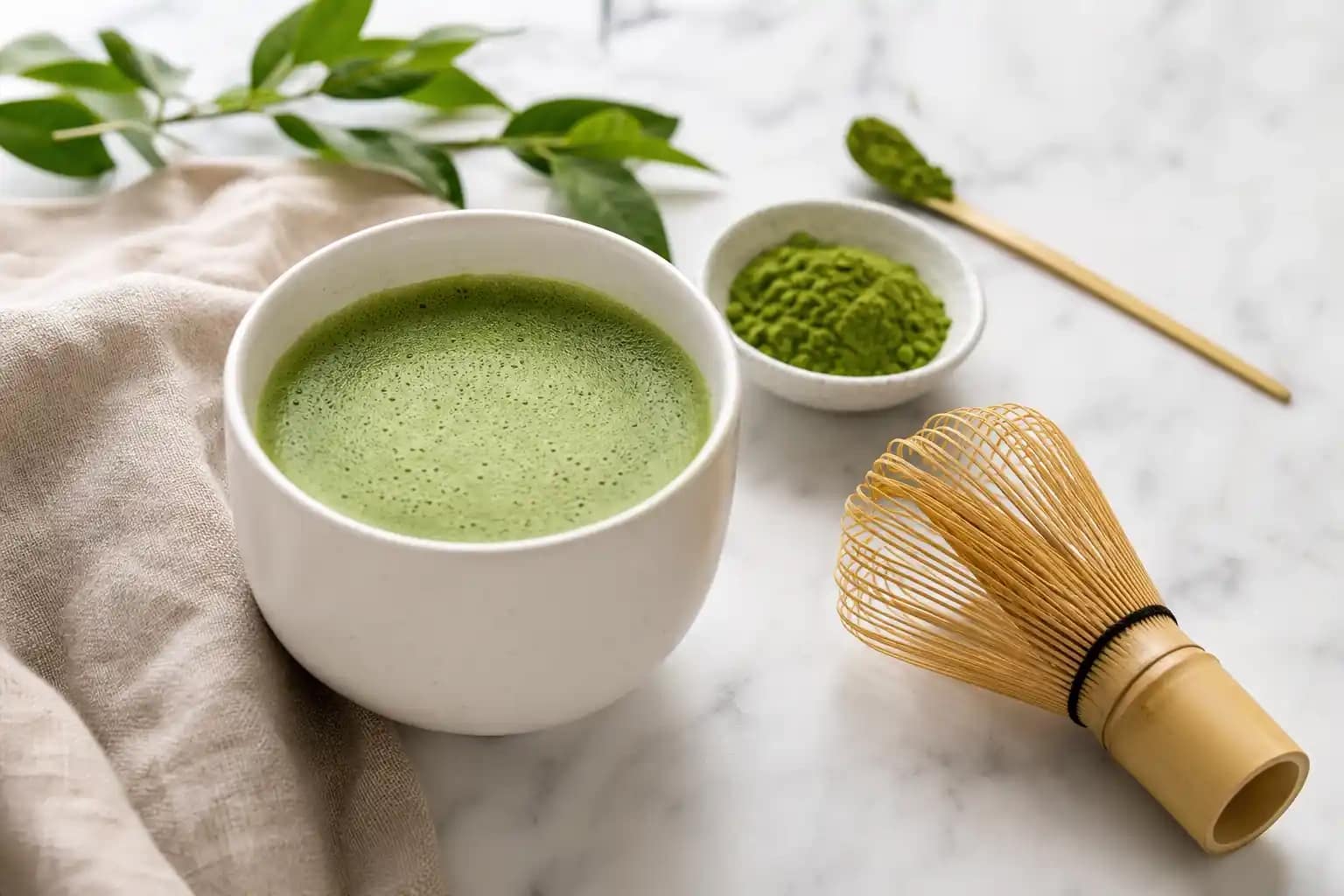
Matcha Latte Recipe Better Than Any Cafe Version
I spent an embarrassing amount of money at matcha cafes before someone pointed out that the whole thing takes five minutes at home. The matcha vibes are the same. The price is not.
This matcha latte recipe produces a smooth, creamy, properly whisked drink with that signature earthy-sweet flavor and gorgeous green color that defines the matcha tea aesthetic everyone loves. No fancy equipment, no barista training, no seven-dollar price tag. Just good matcha and five focused minutes.
What You’ll Need (Ingredients)
Minimal ingredients, but quality matters more here than in almost any other drink recipe.
For the matcha latte:
- 1 teaspoon ceremonial or culinary grade matcha powder
- 2 tablespoons hot water, around 175°F (not boiling)
- 1 cup oat milk, whole milk, or your preferred milk
- 1 to 2 teaspoons honey, maple syrup, or simple syrup, to taste
- pinch of salt, optional
Optional add-ins:
- 1/4 teaspoon vanilla extract
- 1/4 teaspoon cinnamon
- 1 shot espresso, for a matcha coffee aesthetic version
How to Make It — Full Step-by-Step Process
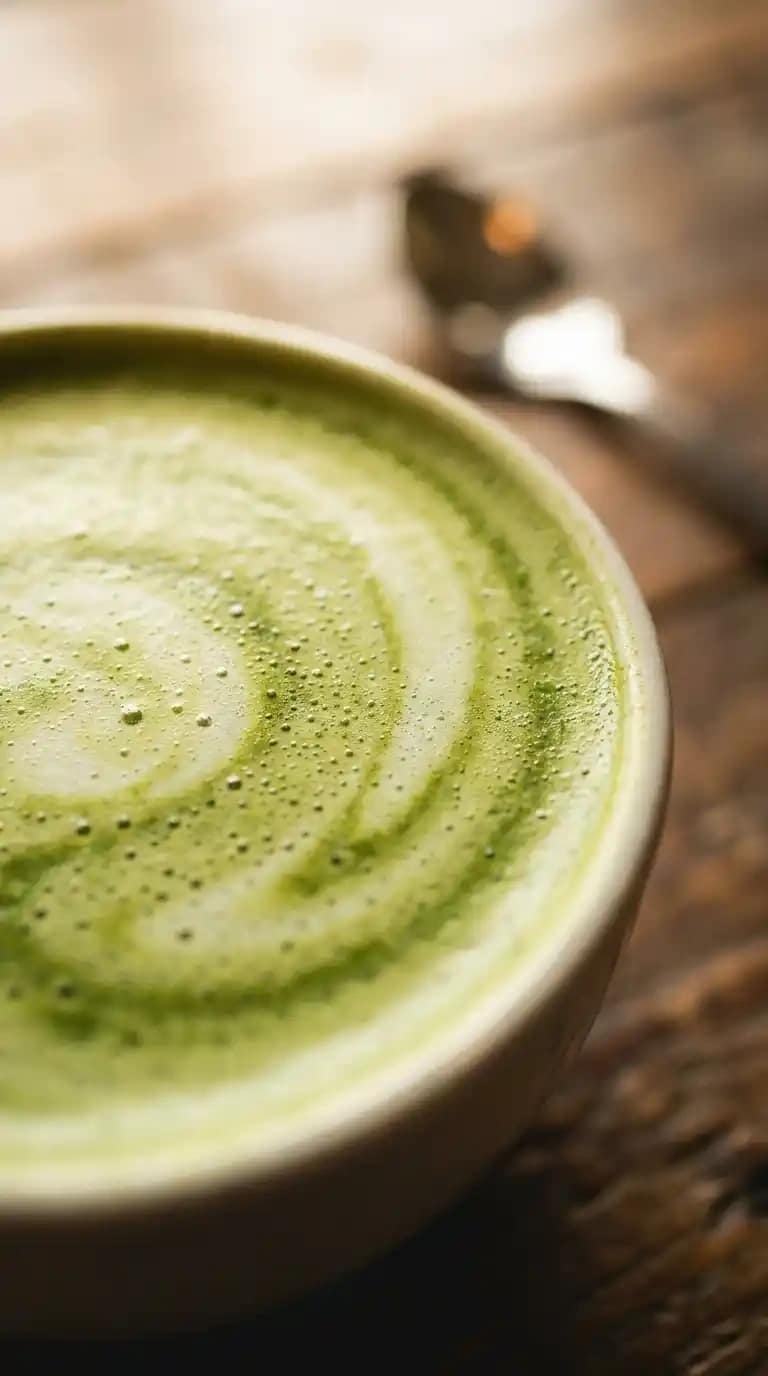
Step One: Sift the Matcha Powder
Place a fine mesh sieve over your matcha bowl or a small cup and spoon 1 teaspoon of matcha powder through it, pressing lightly with the back of the spoon. Sifting breaks up any clumps in the powder before you add water, which prevents the finished latte from having gritty, unmixed lumps floating in it.
Skipping this step is the single most common reason homemade matcha lattes turn out grainy instead of smooth. It takes about 20 seconds and makes a genuinely noticeable difference in the final texture. If you make matcha drinks regularly, a dedicated matcha sieve is worth the small investment.
Step Two: Whisk the Matcha Into a Smooth Paste
Heat water to approximately 175°F, which means bringing it to just below a full boil and letting it sit for about 1 minute. Water that’s too hot, above 185°F, scorches the delicate compounds in matcha and produces a bitter, harsh flavor instead of the smooth, slightly sweet earthiness good matcha should have.
Pour just 2 tablespoons of the hot water over the sifted matcha powder. Using a bamboo matcha whisk (called a chasen) or a small regular whisk, whisk the matcha and water together using a quick zigzag W or M motion rather than a circular stirring motion. Continue for 20 to 30 seconds until no dry powder remains and the mixture looks like a smooth, thick, bright green paste.
Step Three: Whisk to a Frothy Consistency
Once the paste looks uniform with no visible dry patches or lumps, increase the whisking speed and continue for another 20 to 30 seconds until the surface develops a thin layer of fine, light green foam. This foam layer is the visual hallmark of a properly prepared matcha and contributes to that signature matcha latte aesthetic that makes these drinks so recognizable in photos.
Have you ever ordered a matcha latte at a matcha cafe and noticed that beautiful frothy green layer on top? That foam comes entirely from this whisking technique rather than from any special equipment. A bamboo chasen produces it most effectively, but a small handheld milk frother works well as a practical alternative.
Step Four: Warm or Froth the Milk
For a hot latte, heat 1 cup of milk in a small saucepan over medium-low heat until it steams gently but doesn’t boil, around 150°F to 160°F. Froth it using a handheld frother or by whisking vigorously in the pan for 30 seconds until it looks slightly foamy on top.
For an iced matcha latte, skip the heating entirely and use cold milk poured directly over ice in a tall glass. IMO, the iced version actually tastes better than the hot one during warmer months, and the visual contrast of bright green matcha swirling through white milk over ice delivers that matcha green wallpaper worthy aesthetic that looks incredible in photos.
Step Five: Sweeten the Matcha Base
Add 1 to 2 teaspoons of honey, maple syrup, or simple syrup directly to the whisked matcha paste and stir until fully dissolved. Sweetening the matcha base before adding milk distributes the sweetener more evenly throughout the drink than adding it to the finished latte and stirring after the fact.
Taste the sweetened matcha paste on its own before adding milk, since this is your only real chance to adjust the sweetness level before the flavor gets diluted. The paste should taste pleasantly sweet with a clear matcha earthiness, not cloying or overwhelmingly bitter.
Step Six: Combine and Serve
Pour the whisked, sweetened matcha paste into your cup first. For a hot latte, slowly pour the steamed, frothed milk over the matcha while holding a spoon just above the surface to control the pour and preserve the foam layer. For an iced version, fill a tall glass with ice, pour cold milk over it, then pour the matcha paste slowly over the back of a spoon for that beautiful layered look before stirring.
Add a pinch of salt if using, which subtly enhances the sweetness and rounds out any residual bitterness from the matcha. Serve immediately while the foam is still present on top, since it deflates within a few minutes as the drink sits.
Choosing the Right Matcha Grade
Have you ever bought cheap matcha powder and wondered why your latte tasted like grass clippings? The grade of matcha genuinely determines the flavor ceiling of every drink you make with it.
Ceremonial grade matcha comes from the youngest tea leaves, produces a naturally sweet, smooth flavor with minimal bitterness, and makes the best lattes and matcha drink recipes when drunk with minimal or no sweetener. Culinary grade matcha costs less, works well in sweetened lattes and baked goods, but tastes noticeably more bitter and astringent when drunk plain.
For a good everyday matcha latte, a high-quality culinary grade works fine with a little sweetener. For anything closer to the authentic Japanese matcha cafe experience, invest in at least entry-level ceremonial grade.
Milk Options and How They Affect Flavor
Oat Milk
Oat milk produces the creamiest, most neutral-flavored matcha latte of any plant milk. Its mild sweetness complements matcha without competing with it, and it froths reasonably well even without a professional frother. This is IMO the best non-dairy option for matcha lattes by a significant margin.
Whole Milk
Whole milk froths the most beautifully of any option and produces the richest, most traditionally cafe-style latte texture. The slight sweetness of whole milk also softens matcha’s natural bitterness without needing as much added sweetener.
Almond and Coconut Milk
Almond milk adds a subtle nuttiness that some people love alongside matcha, though it froths less well than oat or whole milk. Coconut milk adds richness and a tropical edge that works well in iced versions but can feel heavy in a hot latte.
Matcha Coffee Aesthetic Variation
Add one shot of espresso to the matcha paste before adding milk for a dirty matcha latte that combines caffeine from both sources. The coffee adds a bold, roasted contrast against the earthy sweetness of the matcha and creates a matcha coffee aesthetic that’s been trending hard across every coffee-adjacent social media space.
This version delivers a significantly stronger caffeine hit than either drink alone and tastes genuinely complex, with the bitterness of espresso and the earthiness of matcha balancing each other rather than competing.
Common Mistakes to Avoid
Using boiling water: Water above 185°F scorches matcha instantly and produces a harsh, bitter drink regardless of powder quality. Always let boiling water rest for at least 1 minute before using.
Not sifting the matcha: Unsifted matcha clumps and never fully dissolves during whisking, producing a gritty texture that no amount of stirring fixes afterward.
Stirring instead of whisking: A spoon stir doesn’t create the emulsification that proper whisking achieves. Use a zigzag motion with a whisk rather than lazy circular stirring.
Using low-quality matcha powder: No technique compensates for genuinely poor matcha. The powder is the entire flavor source, so spending a few extra dollars on quality pays off in every single cup.

Matcha Latte Recipe Better Than Any Cafe Version
1
servings5
minutesThis homemade matcha latte sifts ceremonial or culinary grade matcha, whisks it into a smooth paste with 175°F water, sweetens with honey or maple syrup, then combines with steamed or cold oat milk for a creamy, earthy, cafe-quality drink ready in five minutes with no special equipment required.
Ingredients
For the matcha latte:
1 teaspoon ceremonial or culinary grade matcha powder
2 tablespoons hot water, around 175°F
1 cup oat milk, whole milk, or preferred milk
1 to 2 teaspoons honey, maple syrup, or simple syrup
pinch of salt, optional
Optional add-ins:
1/4 teaspoon vanilla extract
1/4 teaspoon cinnamon
1 shot espresso, for a matcha coffee version
Directions
- Sift 1 teaspoon of matcha powder through a fine mesh sieve into a small bowl or cup
- Heat water to approximately 175°F and let boiling water rest for 1 minute if needed
- Pour 2 tablespoons of hot water over the sifted matcha
- Whisk using a zigzag W or M motion for 20 to 30 seconds until a smooth paste forms
- Continue whisking at speed for another 20 to 30 seconds until fine foam appears on the surface
- Add 1 to 2 teaspoons of sweetener to the matcha paste and stir until dissolved
- Taste and adjust sweetness as needed
- Heat milk to 150°F to 160°F and froth for a hot latte, or use cold milk over ice for iced
- Pour the matcha paste into the cup first
- Slowly pour steamed milk over the matcha for a hot latte, holding a spoon to preserve the foam
- For iced, fill a glass with ice, add cold milk, then pour matcha paste over the back of a spoon
- Add a pinch of salt if using and serve immediately
FAQs
Q1: What’s the difference between ceremonial and culinary matcha?
Ceremonial grade uses the youngest leaves and produces a smoother, naturally sweeter flavor suited to drinking plain or with minimal sweetener. Culinary grade works well in sweetened lattes and baking but tastes more bitter and astringent when used alone.
Q2: Can I make matcha latte without a bamboo whisk?
Yes, a small handheld milk frother or a regular small whisk both work well. The bamboo chasen produces slightly finer foam, but the taste difference in the finished drink is minimal with good technique.
Q3: How much caffeine does a matcha latte contain?
One teaspoon of matcha contains roughly 60 to 70 milligrams of caffeine, compared to around 95 milligrams in a standard cup of coffee. Matcha also contains L-theanine, which produces a calmer, more sustained energy release than coffee’s sharper spike.
Q4: Can I make matcha latte without sweetener?
Yes, high-quality ceremonial grade matcha tastes pleasantly smooth with no sweetener added. Lower-grade matcha benefits significantly from a small amount of sweetener to balance its natural bitterness.
Q5: Why does my matcha latte taste bitter?
Bitter matcha usually comes from water that was too hot, low-grade powder, or using too much matcha per cup. Try reducing to 3/4 teaspoon per cup, lowering the water temperature, and upgrading your matcha grade.
Q6: Can I batch-make matcha lattes ahead of time?
Prepare the whisked matcha paste ahead and store it covered in the fridge for up to 24 hours. Whisk it briefly again before adding freshly steamed or cold milk, since the paste settles slightly during storage.
Wrapping It Up
This matcha latte recipe delivers a smooth, creamy, cafe-quality drink in five minutes through proper sifting, correct water temperature, genuine whisking technique, and quality matcha powder. Sift first, use 175°F water, whisk in a zigzag motion, sweeten the paste before adding milk, and choose your milk based on the texture you want. Those habits produce a perfect result every single time.
Whether you go hot, iced, or add an espresso shot for a dirty matcha version, this recipe earns its place in your daily routine. Now go sift that matcha and reclaim those seven dollars.