Classic Carrot Cake Dessert With Four Warm Spices
Carrot cake gets unfairly sidelined at dessert tables because people assume it sounds too wholesome to taste genuinely indulgent. Those people are wrong, and I’ve watched them find out in real time every time I bring this to a gathering.
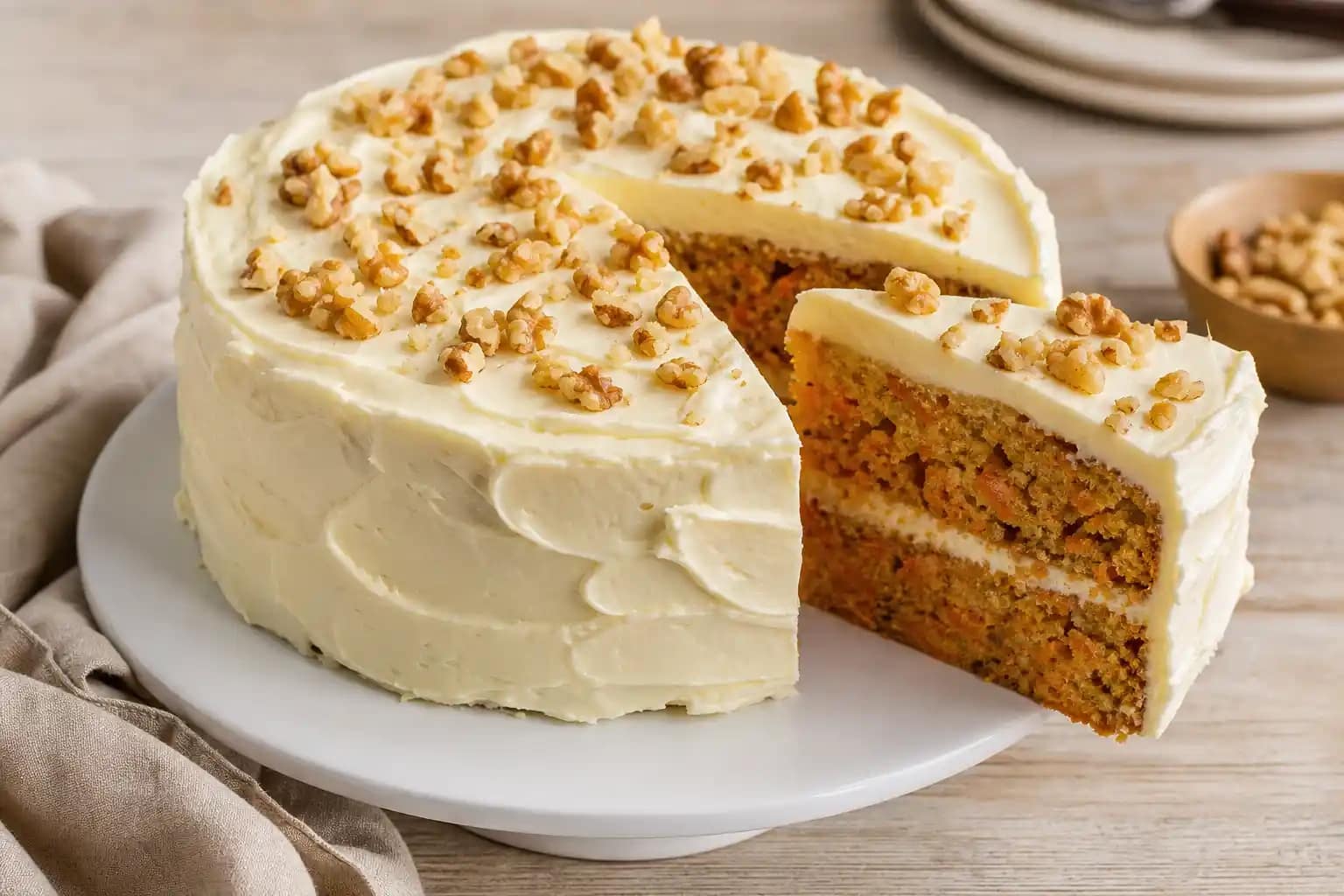
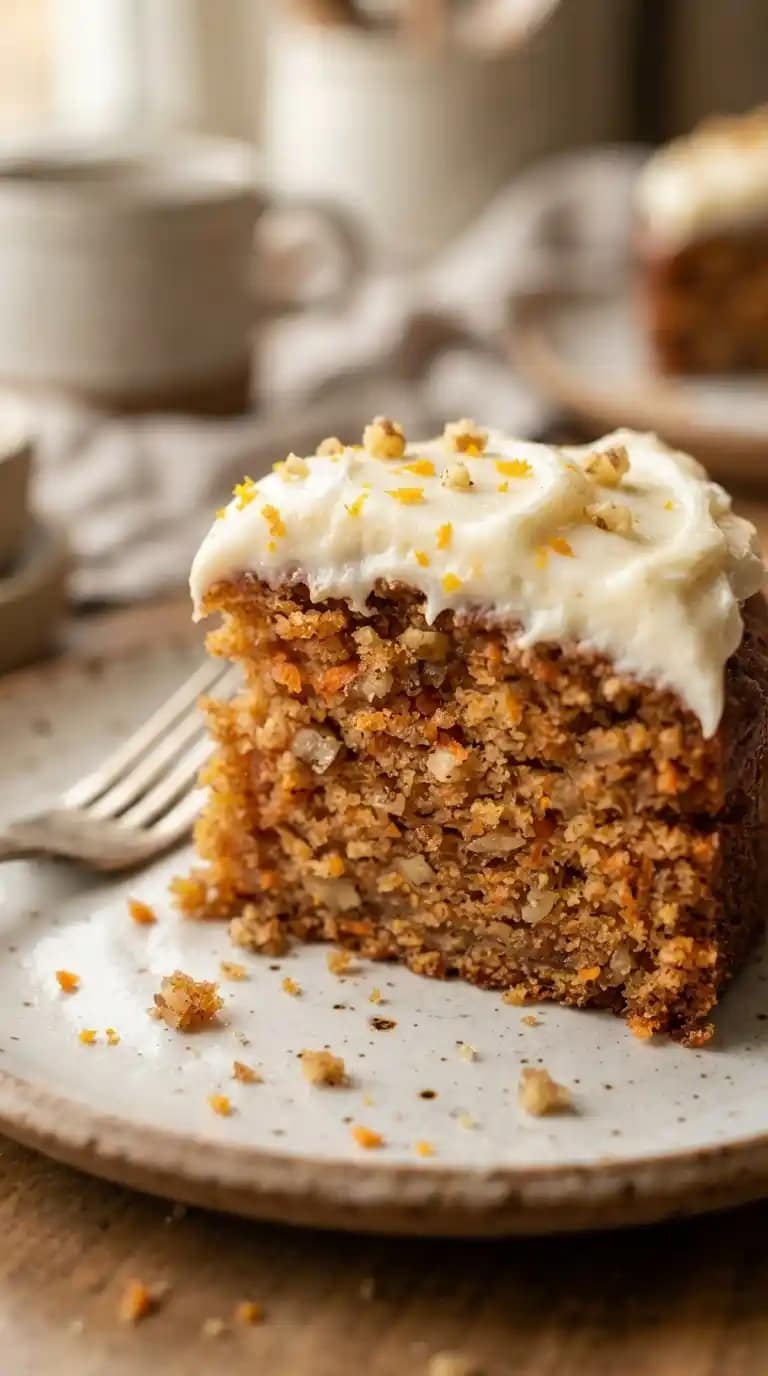
This super moist carrot cake recipe produces a tender, warmly spiced cake with a properly rich cream cheese frosting that earns the title of the best carrot cake ever for everyone who tries it. The combination of oil instead of butter, freshly grated carrots, and brown sugar creates a moistness that stays consistent for days, which is more than most cakes can claim.
What You’ll Need (Ingredients)
Classic spiced cake ingredients with freshly grated carrot as the ingredient doing most of the heavy lifting.
For the carrot cake:
- 2 cups all-purpose flour
- 2 teaspoons baking powder
- 1 teaspoon baking soda
- 1/2 teaspoon salt
- 2 teaspoons ground cinnamon
- 1/2 teaspoon ground ginger
- 1/4 teaspoon ground nutmeg
- 1/4 teaspoon ground cloves
- 1 cup vegetable oil
- 1 cup granulated sugar
- 1/2 cup packed light brown sugar
- 4 large eggs, room temperature
- 2 teaspoons vanilla extract
- 3 cups freshly grated carrots, about 5 medium carrots
- 1/2 cup crushed pineapple, drained, optional
- 1/2 cup chopped walnuts or pecans, optional
- 1/2 cup raisins, optional
For the cream cheese frosting:
- 16 ounces cream cheese, softened
- 1 cup unsalted butter, softened
- 5 cups powdered sugar, sifted
- 2 teaspoons vanilla extract
- pinch of salt
How to Make It — Full Step-by-Step Process
Step One: Prepare the Pans and Preheat
Preheat your oven to 350°F and grease two 9-inch round cake pans generously with butter or cooking spray. Line each pan with a parchment paper circle cut to fit, then grease the parchment as well. This double preparation ensures clean, complete release from the pans after baking, since carrot cake with its high moisture content clings to bare pan surfaces stubbornly.
Set both prepared pans aside and grate the carrots now if you haven’t already. Freshly grated carrot releases moisture into the batter during mixing and baking in a way that pre-shredded packaged carrot simply doesn’t, since packaged carrot has already lost most of its moisture content before it ever reaches your bowl.
Step Two: Combine the Dry Ingredients
Whisk together 2 cups of flour, 2 teaspoons of baking powder, 1 teaspoon of baking soda, 1/2 teaspoon of salt, 2 teaspoons of cinnamon, 1/2 teaspoon of ginger, 1/4 teaspoon of nutmeg, and 1/4 teaspoon of cloves in a large bowl until evenly combined. The four spices together create the complex, warm flavor that defines a proper carrot cake.
Have you ever tasted a carrot cake that relied on cinnamon alone and found it tasted flat and slightly one-dimensional? The addition of ginger, nutmeg, and cloves in small amounts builds layers of warmth that make the spice profile taste genuinely sophisticated rather than basic.
Step Three: Mix the Wet Ingredients
Whisk together 1 cup of vegetable oil, 1 cup of granulated sugar, and 1/2 cup of packed brown sugar in a large separate bowl until smooth and fully combined. The oil rather than butter is intentional and important here. Oil stays liquid at room temperature, which keeps the crumb noticeably moister for longer than butter-based cakes that firm up as they cool.
Add the 4 eggs one at a time, whisking well after each addition until the mixture looks smooth and uniform. Mix in 2 teaspoons of vanilla extract. The batter should look thick, glossy, and slightly amber-colored from the brown sugar at this stage before the dry ingredients and carrots go in.
Step Four: Combine and Add Carrots
Pour the wet ingredient mixture into the dry ingredients and fold together gently using a wide spatula until just combined, with no visible dry flour streaks remaining throughout the batter. Don’t use a mixer for this combining stage, since the batter is already liquid enough to come together easily without mechanical help.
Add the 3 cups of freshly grated carrots and fold them through the batter thoroughly until evenly distributed. FYI, this is also the stage to fold in any of the optional add-ins, including 1/2 cup of drained crushed pineapple, chopped walnuts or pecans, or raisins. Pineapple adds extra moisture and a subtle sweetness that amplifies the carrot flavor without making the cake taste tropical.
Step Five: Bake the Cake Layers
Divide the batter evenly between the two prepared cake pans. Pour one pan at a time and use a spatula to scrape every bit of batter from the bowl before moving to the second pan. Weigh each pan if you have a kitchen scale for the most even distribution, since unevenly filled pans produce layers that don’t stack straight and look noticeably lopsided once frosted.
Bake both pans on the center rack at 350°F for 30 to 35 minutes until a toothpick inserted into the center comes out clean or with just a few dry crumbs attached. The tops should look golden-brown and spring back when pressed lightly in the center. Avoid opening the oven before the 25-minute mark since the temperature drop can cause the layers to sink in the center.
Step Six: Cool the Layers Completely
Let the cake layers cool in their pans for 15 minutes, then run a thin knife around the edge of each pan and invert onto wire racks. Peel off the parchment paper and allow the layers to cool completely at room temperature, which takes about 1 hour. IMO, this cooling time is where most people lose patience and frost too early, which causes the cream cheese frosting to melt and slide down the sides of the cake rather than holding its shape cleanly.
Use this hour productively by making the frosting so it’s ready when the layers are. A room-temperature layer and a freshly made frosting produce the most stable, cleanest assembly experience.
Step Seven: Make the Cream Cheese Frosting
Beat 16 ounces of softened cream cheese and 1 cup of softened butter together on medium speed for 3 minutes until completely smooth with no lumps. Both must be genuinely softened to room temperature, since even partially cold cream cheese creates a lumpy, unworkable frosting that doesn’t spread cleanly regardless of how long you beat it.
Add 5 cups of sifted powdered sugar gradually, about 1 cup at a time, beating on low between each addition until incorporated. Add 2 teaspoons of vanilla extract and a pinch of salt, then beat on medium-high for 2 minutes until the frosting looks fluffy, bright white, and holds its shape firmly. Refrigerate for 15 minutes if the frosting feels too soft to work with immediately.
Step Eight: Assemble and Frost
Place one cooled cake layer on a serving plate or cake board. Spread about 1 cup of frosting evenly across the top using an offset spatula. Place the second layer on top, centered and level. Apply a thin crumb coat of frosting over the entire outside of the cake and refrigerate for 15 minutes to set the crumbs in place.
Apply the final layer of frosting generously over the top and sides, using the offset spatula to create your preferred finish, from smooth and clean to rustic swoops and texture. Decorate the top with chopped walnuts or pecans and optional marzipan carrot decorations if you want that classic carrot cake desserts presentation that people recognize immediately.
Carrot Cake Variations Worth Making
Carrot Banana Cake
Replace 1 cup of grated carrot with 1 cup of mashed overripe banana for a carrot banana cake that adds natural sweetness and an extra layer of moisture. The banana and carrot combination produces a noticeably denser, fruitier crumb that pairs particularly well with the cream cheese frosting.
Chocolate Carrot Cake
Replace 1/4 cup of the flour with 1/4 cup of unsweetened cocoa powder and add 1/2 cup of mini chocolate chips to the batter for a chocolate carrot cake version. The cocoa adds a subtle bitterness that plays well against the sweetness of the carrots and the cream cheese frosting.
Sheet Cake Version
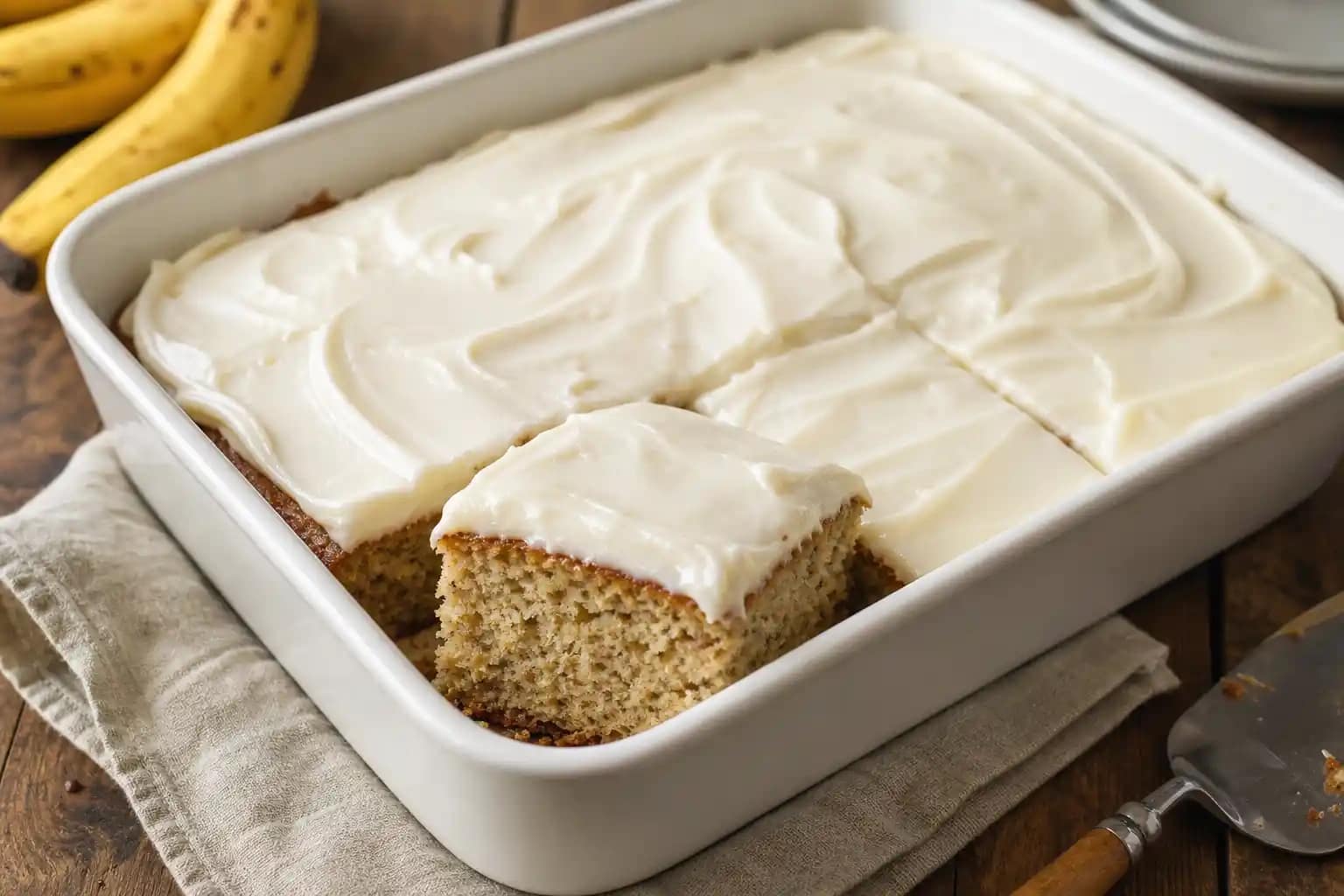
Pour the entire batter into a greased 9×13 inch baking dish and bake at 350°F for 35 to 40 minutes for a single-layer sheet cake that requires no stacking, leveling, or layer assembly. This is the fastest carrot cake ideas approach for potlucks and casual gatherings where presentation matters less than convenience.
Common Mistakes to Avoid
Using pre-shredded packaged carrots: These have already lost most of their moisture and produce a noticeably drier cake. Always grate fresh carrots immediately before using.
Frosting warm layers: Cream cheese frosting melts instantly on warm cake and slides off completely. Always cool layers fully to room temperature before assembling.
Not sifting the powdered sugar: Lumpy powdered sugar creates a grainy, uneven frosting that doesn’t spread smoothly. Always sift before adding to the cream cheese.
Overmixing after adding carrots: This develops gluten and produces a tough, dense crumb. Fold gently until just combined and stop immediately.

Classic Carrot Cake Dessert With Four Warm Spices
12
servings25
minutes35
minutesThis moist carrot cake combines freshly grated carrots with oil, brown sugar, four warm spices, and optional pineapple and walnuts in a two-layer cake frosted with tangy cream cheese buttercream. Ready in about an hour of active work, it delivers a genuinely superior, deeply flavored result that stays moist for days.
Ingredients
For the carrot cake:
2 cups all-purpose flour
2 teaspoons baking powder
1 teaspoon baking soda
1/2 teaspoon salt
2 teaspoons ground cinnamon
1/2 teaspoon ground ginger
1/4 teaspoon ground nutmeg
1/4 teaspoon ground cloves
1 cup vegetable oil
1 cup granulated sugar
1/2 cup packed light brown sugar
4 large eggs, room temperature
2 teaspoons vanilla extract
3 cups freshly grated carrots
1/2 cup crushed pineapple, drained, optional
1/2 cup chopped walnuts or pecans, optional
1/2 cup raisins, optional
For the cream cheese frosting:
16 ounces cream cheese, softened
1 cup unsalted butter, softened
5 cups powdered sugar, sifted
2 teaspoons vanilla extract
pinch of salt
Directions
- Preheat oven to 350°F and grease and line two 9-inch round cake pans with parchment paper
- Whisk together flour, baking powder, baking soda, salt, cinnamon, ginger, nutmeg, and cloves in a large bowl
- Whisk vegetable oil, granulated sugar, and brown sugar together in a separate large bowl until smooth
- Add eggs one at a time, whisking well after each, then mix in vanilla
- Pour wet ingredients into dry ingredients and fold gently until just combined
- Fold in freshly grated carrots, pineapple, nuts, and raisins if using
- Divide batter evenly between the two prepared pans
- Bake for 30 to 35 minutes until a toothpick comes out clean and tops spring back when pressed
- Cool in pans for 15 minutes, then turn out onto wire racks to cool completely
- Beat softened cream cheese and butter together for 3 minutes until completely smooth
- Add sifted powdered sugar gradually, beating between each addition
- Add vanilla and salt and beat on medium-high for 2 minutes until fluffy
- Refrigerate frosting for 15 minutes if too soft to work with immediately
- Place first layer on a cake board and spread about 1 cup of frosting evenly across the top
- Place second layer on top and apply a thin crumb coat over the entire cake
- Refrigerate for 15 minutes, then apply the final frosting layer generously
- Decorate with chopped walnuts and serve at room temperature
FAQs
Q1: What makes a carrot cake super moist?
The combination of oil instead of butter, freshly grated carrots releasing moisture during baking, brown sugar attracting and retaining moisture, and optional crushed pineapple all contribute. This recipe uses all four, which is why it stays noticeably moister than most versions for several days.
Q2: Can I make carrot cake without nuts or raisins?
Yes, both are completely optional. The cake tastes excellent without them and produces a smoother, more uniform crumb. Many people specifically prefer carrot cake without mix-ins, so omitting them doesn’t compromise the result at all.
Q3: Can I freeze carrot cake?
Freeze the unfrosted baked layers tightly wrapped for up to 3 months. Thaw overnight in the fridge, then bring to room temperature before frosting. Frosted slices can also be frozen individually, though the frosting texture changes slightly after thawing.
Q4: How long does carrot cake stay fresh?
A properly made moist carrot cake recipe stays fresh at room temperature for 1 day or refrigerated for up to 5 days, covered. The oil-based crumb holds moisture longer than butter-based cakes, which tend to stale faster.
Q5: Can I make carrot cake cupcakes instead of layers?
Yes, divide the batter among 24 lined muffin cups and bake at 350°F for 18 to 20 minutes until a toothpick comes out clean. Pipe cream cheese frosting on top and serve as individual carrot dessert recipes options for parties.
Q6: Does carrot cake taste like carrots?
Not strongly. The carrots primarily add moisture and a slight earthiness that the warm spices build around. Most people who claim to dislike carrots enjoy carrot cake without noticing the vegetable flavor, which is a genuinely useful piece of information at any gathering.
Wrapping It Up
This carrot cake recipe delivers the best carrot cake ever through freshly grated carrots, four warm spices, oil for lasting moisture, brown sugar for depth, and a properly made cream cheese frosting that holds its structure. Grate fresh carrots, don’t overmix after combining, cool completely before frosting, and sift your powdered sugar. Those habits produce a perfect result every single time.
Whether you keep it classic, add banana or chocolate for a twist, or bake it as a sheet cake for a crowd, this recipe consistently earns its place as the most requested dessert at any table it appears on. Now grate those carrots and preheat that oven.