Olive Garden Alfredo With Fresh Parmesan
I ordered Olive Garden fettuccine Alfredo probably thirty times before I looked at the ingredient list and realized I had everything at home. Then I made it myself, and I’ve ordered it at a restaurant exactly once since. Nostalgia, mostly.
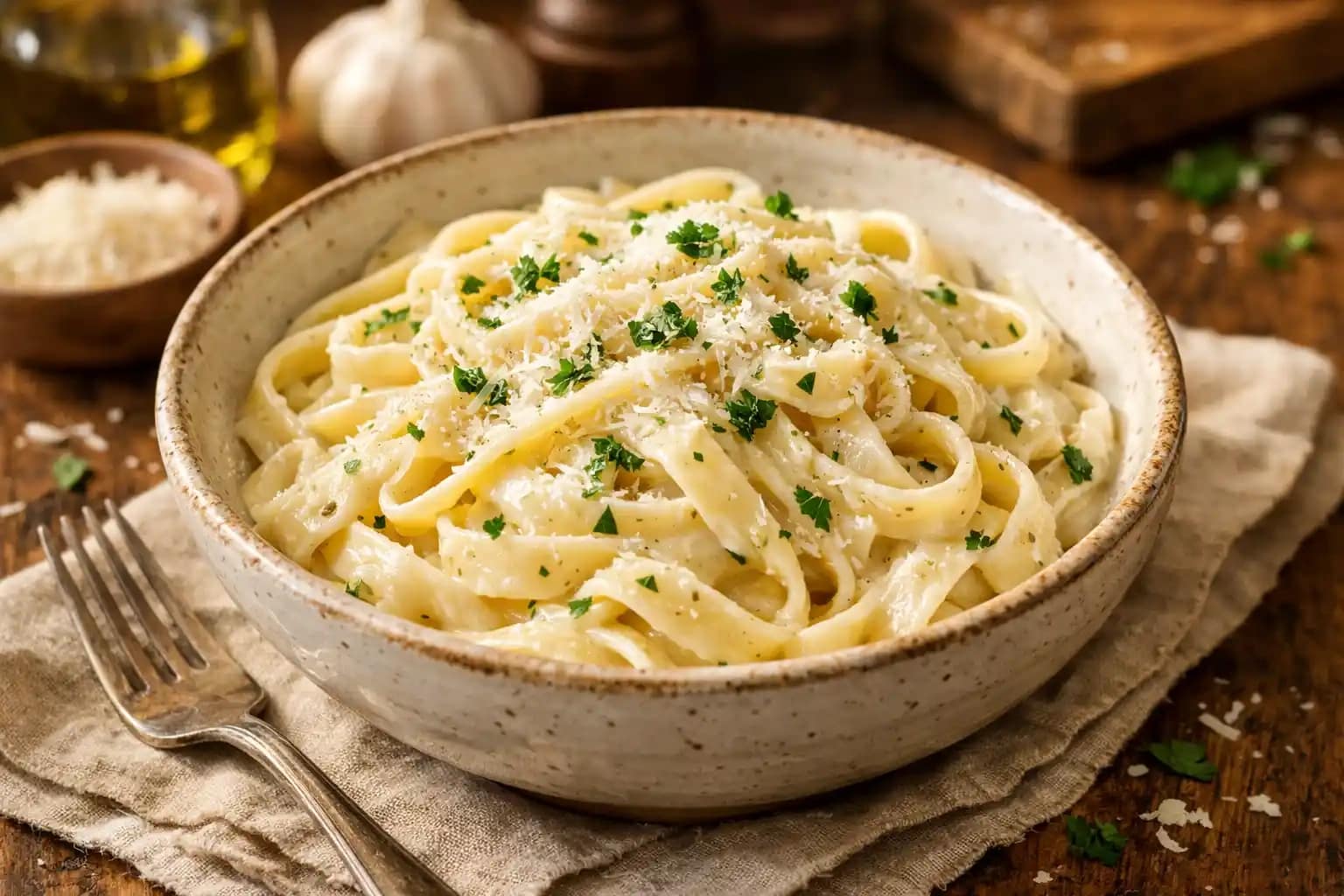
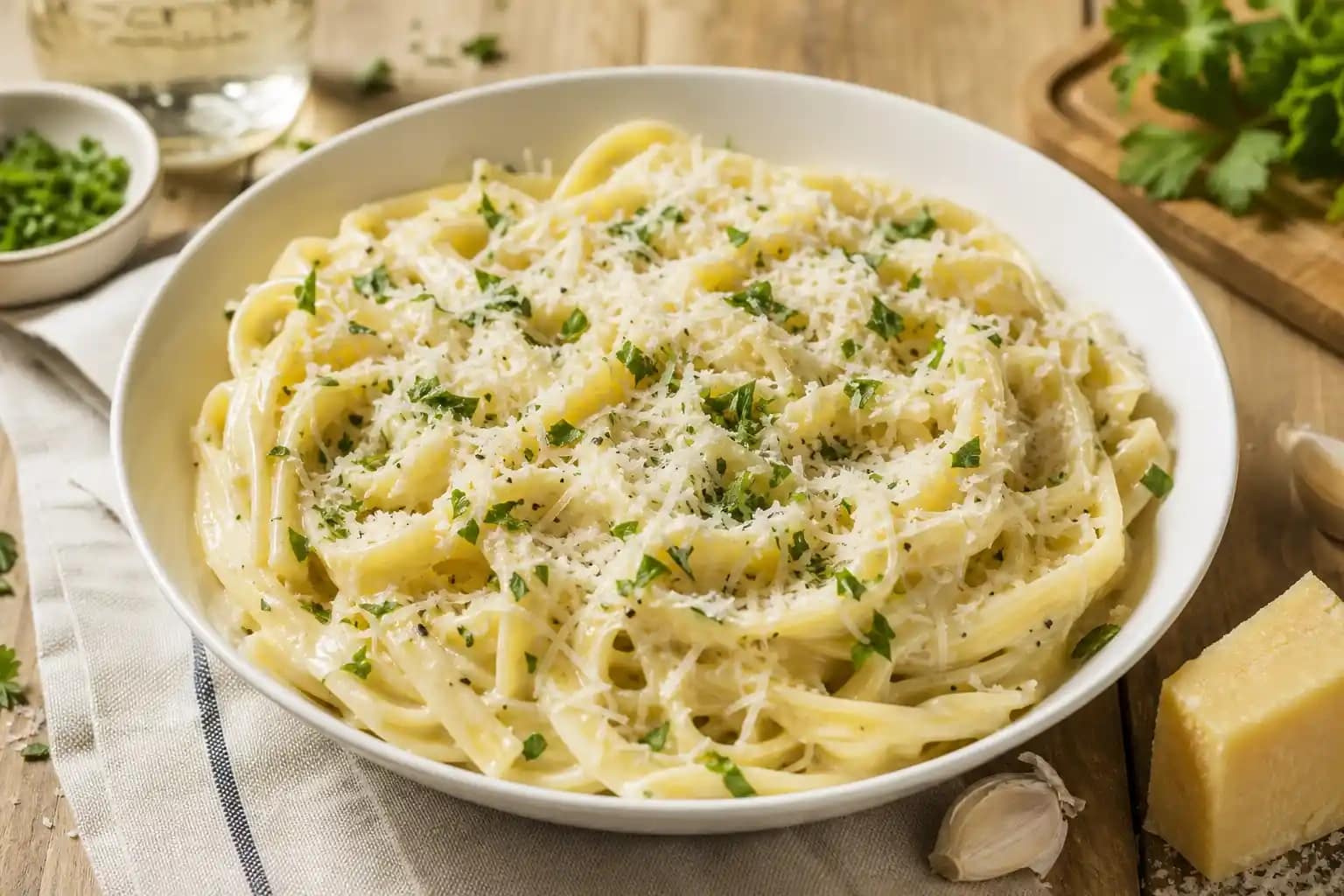
This copycat Alfredo sauce Olive Garden recipe produces that exact rich, garlicky, cream-and-parmesan sauce that coats fettuccine in something genuinely luxurious. It takes 20 minutes, uses five core ingredients, and produces a result that I’d argue tastes better than the original since you control the quality of every component rather than trusting what comes out of a commercial kitchen on a busy Friday night.
What You’ll Need (Ingredients)
Five ingredients for the base, and quality matters more here than in almost any other sauce recipe.
For the Alfredo sauce:
- 1/2 cup unsalted butter
- 4 cloves garlic, minced
- 2 cups heavy whipping cream
- 2 cups freshly grated parmesan cheese, not pre-shredded
- 1/4 teaspoon black pepper
- 1/4 teaspoon salt, adjust to taste
- pinch of nutmeg, optional but traditional
- 2 tablespoons cream cheese, optional for extra richness
For serving:
- 12 ounces fettuccine, cooked according to package directions
- 1/2 cup reserved pasta water
- fresh parsley, chopped, for garnish
- extra parmesan for serving
How to Make It — Full Step-by-Step Process
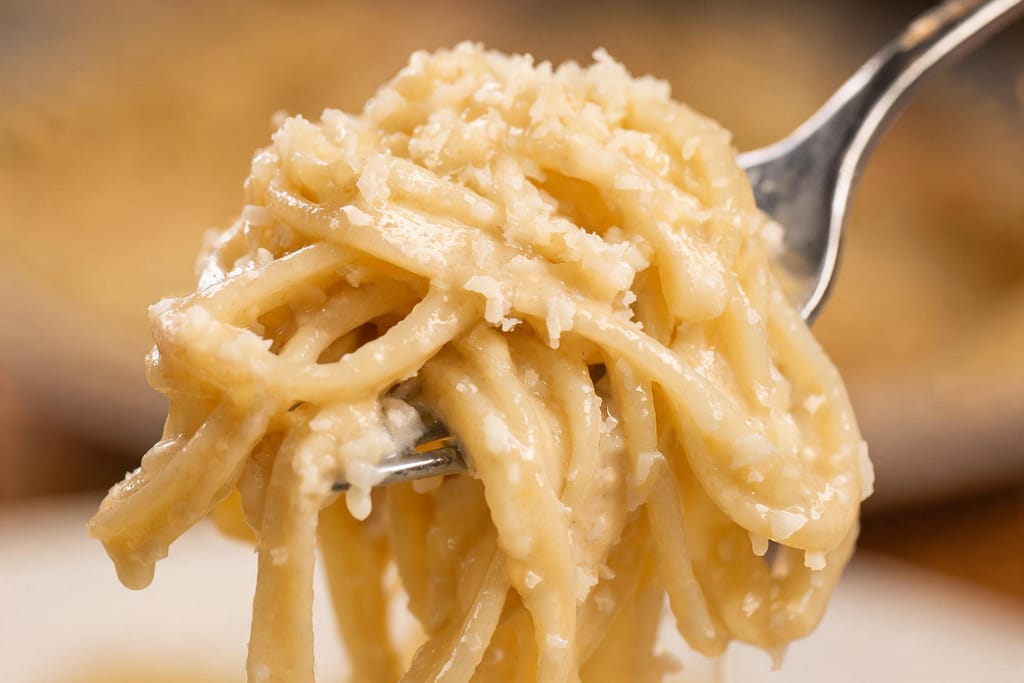
Step One: Grate the Parmesan Fresh
Grate 2 cups of parmesan from a block using a fine grater or microplane before you start cooking anything else. This single preparation step makes or breaks the entire sauce, since pre-shredded parmesan from a bag contains cellulose coating that prevents it from melting smoothly and produces a grainy, clumpy sauce instead of the silky result everyone wants.
Fresh parmesan from a block melts into cream almost instantly when added to a warm sauce base, dissolving completely and leaving no lumps or stringy bits behind. Spend the extra three minutes grating it yourself. IMO, no other step in this recipe produces a more noticeable quality improvement for the amount of effort involved.
Step Two: Melt the Butter and Cook the Garlic
Melt 1/2 cup of butter in a large, wide saucepan or skillet over medium heat. Once the butter melts completely and begins to foam slightly, add the 4 cloves of minced garlic and stir continuously for about 1 minute until fragrant. The garlic should smell aromatic and turn very slightly golden at the edges, but not brown.
Burnt garlic produces a bitter, acrid flavor that no amount of cream or parmesan will cover up later in the sauce. Keep the heat at medium, stay at the stove, and pull the pan off the heat for a few seconds if the garlic starts moving faster than you can manage. One minute of careful attention here protects the entire batch.
Step Three: Add the Heavy Cream
Pour 2 cups of heavy whipping cream into the garlic butter and stir to combine. Increase the heat slightly to medium-high and bring the cream to a gentle simmer, stirring occasionally. This takes about 3 to 4 minutes and produces visible small bubbles around the edges of the pan before a more active simmer develops across the surface.
Let the cream simmer for 3 to 4 minutes once it reaches that gentle active simmer, stirring occasionally. This reduces the cream slightly and concentrates its fat content, which produces a richer, thicker sauce base that the parmesan will then bind together. Rushing this step by adding parmesan to cream that hasn’t had time to reduce produces a noticeably thinner final sauce.
Step Four: Add Cream Cheese if Using
This is an optional step, but it’s also the closest approximation of what the homemade Alfredo sauce Olive Garden recipe actually produces in their kitchens. Add 2 tablespoons of softened cream cheese to the simmering cream and whisk continuously until fully melted and incorporated.
Cream cheese adds an extra layer of richness and provides a slight tang that parmesan alone doesn’t deliver. It also helps the sauce hold together and stay creamy longer after tossing with pasta, which is practically useful when you’re cooking for a group rather than serving immediately. You genuinely won’t taste cream cheese as a distinct flavor in the finished sauce.
Step Five: Reduce Heat and Add the Parmesan
Reduce the heat to low before adding the parmesan, since adding cheese to a sauce that’s actively boiling causes it to seize and turn grainy rather than melting smoothly. Add the freshly grated parmesan in three additions, whisking vigorously after each one until the cheese fully melts into the sauce before adding the next portion.
Have you ever made an Alfredo sauce that looked smooth in the pan but turned gritty and separated within a few minutes? That happens from adding cheese too fast to a sauce that’s too hot. Low heat and gradual addition prevents this completely and produces the silky, glossy texture that defines the best Alfredo sauce ever result people keep searching for online.
Step Six: Season and Finish
Add 1/4 teaspoon of black pepper, a pinch of salt to taste, and a pinch of nutmeg if using. Stir everything together until the seasoning incorporates evenly. Taste the sauce now and adjust accordingly before adding pasta, since this is your final opportunity to calibrate the salt and pepper levels before the pasta dilutes everything slightly during tossing.
The nutmeg sounds like an odd addition to a cream pasta sauce but it’s actually traditional in authentic Alfredo sauce Italian preparation and French béchamel alike. It adds a warm, slightly sweet background note that makes the overall flavor profile feel more complex without tasting distinctly nutmeg-forward. Use it sparingly, since a little goes a long way.
Step Seven: Toss With Pasta and Serve
Add the cooked, drained fettuccine directly into the sauce pan and toss using tongs for about 1 to 2 minutes over low heat until every strand gets thoroughly coated. If the sauce looks too thick after adding the pasta, splash in a few tablespoons of the reserved pasta water and continue tossing. The starchy pasta water loosens the sauce without diluting the flavor.
Serve immediately in warmed bowls with extra freshly grated parmesan and chopped fresh parsley scattered over the top. Fettuccine Alfredo waits for no one — the sauce thickens considerably within a few minutes of leaving the heat and won’t return to its original silky consistency without adding more cream or pasta water and rewarming gently.
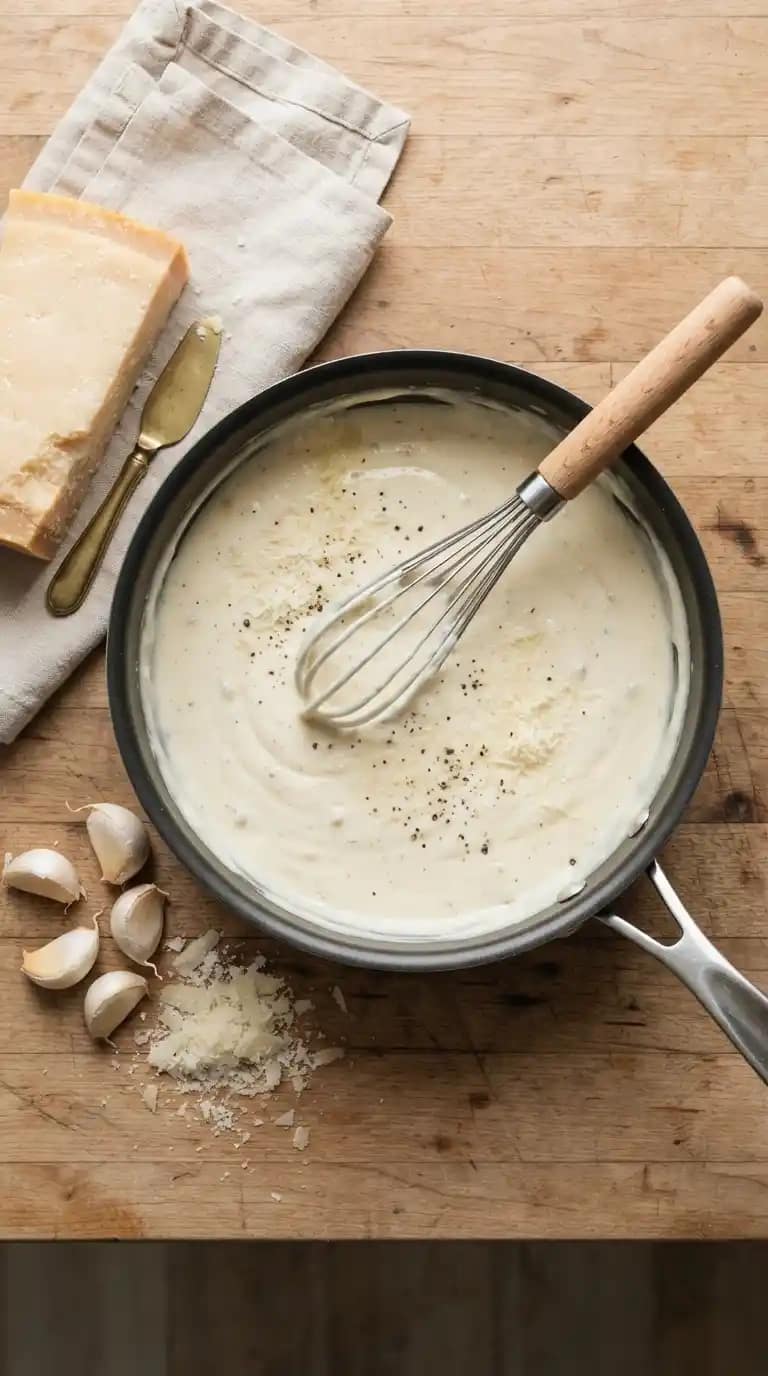
Why Olive Garden’s Version Tastes the Way It Does
Have you ever wondered why Olive Garden fettuccine Alfredo tastes specifically different from a traditional authentic Alfredo sauce Italian recipe? The answer is that they’re fundamentally different sauces.
Traditional Roman Alfredo uses only butter and fresh parmesan, tossed with pasta water to create an emulsified sauce with no cream at all. Olive Garden’s version adds heavy cream, garlic, and sometimes cream cheese, creating a richer, more indulgent American-style interpretation that most people in North America recognize as Alfredo even though the original doesn’t contain any of those elements.
This copycat recipe targets the Olive Garden copycat recipes version rather than the authentic Roman original, since that’s the flavor profile most people are actually looking for when they search for Olive Garden Alfredo sauce recipe copycat versions online.
Chicken Alfredo Variation
Chicken Alfredo Recipe Homemade Style
Add 2 cups of sliced, cooked chicken breast or chicken thighs to the finished sauce before tossing with pasta for a complete chicken Alfredo recipe homemade version that works as a full dinner rather than a side course. Season and pan-sear the chicken in the same skillet before making the sauce, then set aside and return it at the end.
The chicken juices left in the pan from searing add another layer of savory depth to the garlic butter base when you make the sauce in the same pan, producing a more complex flavor than making them separately.
Common Mistakes to Avoid
Using pre-shredded parmesan: The cellulose coating prevents proper melting and produces a grainy, lumpy sauce. Always grate fresh from a block.
Adding parmesan to boiling cream: High heat causes cheese proteins to seize rather than melt. Always reduce heat to low before adding any parmesan.
Not saving pasta water: Without starchy pasta water, you have no way to loosen a sauce that’s too thick after tossing. Always save at least 1/2 cup before draining.
Serving too late: Alfredo sauce thickens dramatically within minutes of leaving the heat. Get it on the table immediately after tossing.

Olive Garden Alfredo With Fresh Parmesan
4
servings5
minutes15
minutesThis homemade Alfredo sauce Olive Garden copycat combines melted butter, garlic, heavy cream, optional cream cheese, and freshly grated parmesan added gradually over low heat for a silky, rich sauce tossed with fettuccine. Ready in 20 minutes with five core ingredients, it delivers a genuinely better-than-restaurant result every single time.
Ingredients
For the Alfredo sauce:
1/2 cup unsalted butter
4 cloves garlic, minced
2 cups heavy whipping cream
2 cups freshly grated parmesan cheese
1/4 teaspoon black pepper
1/4 teaspoon salt, adjust to taste
pinch of nutmeg, optional
2 tablespoons cream cheese, optional
For serving:
12 ounces fettuccine, cooked
1/2 cup reserved pasta water
fresh parsley and extra parmesan for garnish
Directions
- Grate 2 cups of parmesan from a block using a fine grater and set aside
- Melt butter in a large saucepan over medium heat until foaming
- Add minced garlic and stir continuously for 1 minute until fragrant but not browned
- Pour in heavy cream and increase heat to medium-high
- Bring cream to a gentle simmer and cook for 3 to 4 minutes, stirring occasionally
- Add cream cheese if using and whisk until fully melted and incorporated
- Reduce heat to low before adding any parmesan
- Add freshly grated parmesan in three additions, whisking vigorously after each until fully melted
- Season with black pepper, salt, and a pinch of nutmeg if using
- Taste and adjust seasoning as needed
- Add cooked, drained fettuccine directly to the sauce and toss with tongs for 1 to 2 minutes
- Add reserved pasta water a few tablespoons at a time if the sauce looks too thick
- Serve immediately in warmed bowls with extra parmesan and fresh parsley on top
FAQs
Q1: Is this really a copycat Alfredo sauce Olive Garden recipe?
It’s a very close approximation using the same essential components — butter, garlic, heavy cream, and parmesan — with the optional cream cheese addition that many food researchers believe Olive Garden includes in their proprietary version. The flavor is extremely close to the restaurant original.
Q2: Can I make this sauce ahead of time?
Make it up to 2 days ahead and store in a sealed container in the fridge. Reheat very gently over low heat with a splash of cream, stirring constantly, since high reheating temperatures cause the sauce to separate.
Q3: Why does my Alfredo sauce turn grainy?
Grainy sauce almost always comes from adding parmesan to cream that’s still too hot, using pre-shredded parmesan, or adding all the cheese at once. Use freshly grated parmesan, reduce heat to low, and add gradually.
Q4: Can I use half-and-half instead of heavy cream?
Yes, though the sauce turns out noticeably thinner and less rich. Simmer the half-and-half for an extra 2 to 3 minutes before adding parmesan to reduce it further and achieve a closer consistency to the heavy cream version.
Q5: How do I store and reheat leftover Alfredo pasta?
Reheat gently in a skillet over low heat with a splash of milk or cream stirred in as it warms. Microwave reheating tends to separate the sauce and produce an oily result. Stovetop reheating with added liquid works much better.
Q6: What pasta works besides fettuccine for this sauce?
Pappardelle, linguine, and penne all work well. The wide, flat surface of fettuccine and pappardelle coats most completely, but any pasta that can hold a creamy sauce without it sliding off immediately works for this recipe.
Wrapping It Up
This Olive Garden Alfredo sauce recipe delivers a rich, silky, genuinely impressive pasta sauce through fresh-grated parmesan, careful garlic cooking, properly reduced cream, and gradual cheese addition at low heat. Grate fresh parmesan, cook garlic without burning it, reduce the cream before adding cheese, add parmesan gradually on low heat, and serve immediately. Those habits produce the best Alfredo sauce every time.
Whether you keep it simple with fettuccine, add chicken for a complete dinner, or use the sauce over other pasta shapes, this recipe earns its place as a weeknight staple. Now grate that parmesan and start melting that butter.