Japanese Yum Yum Sauce With Simple Pantry Staples
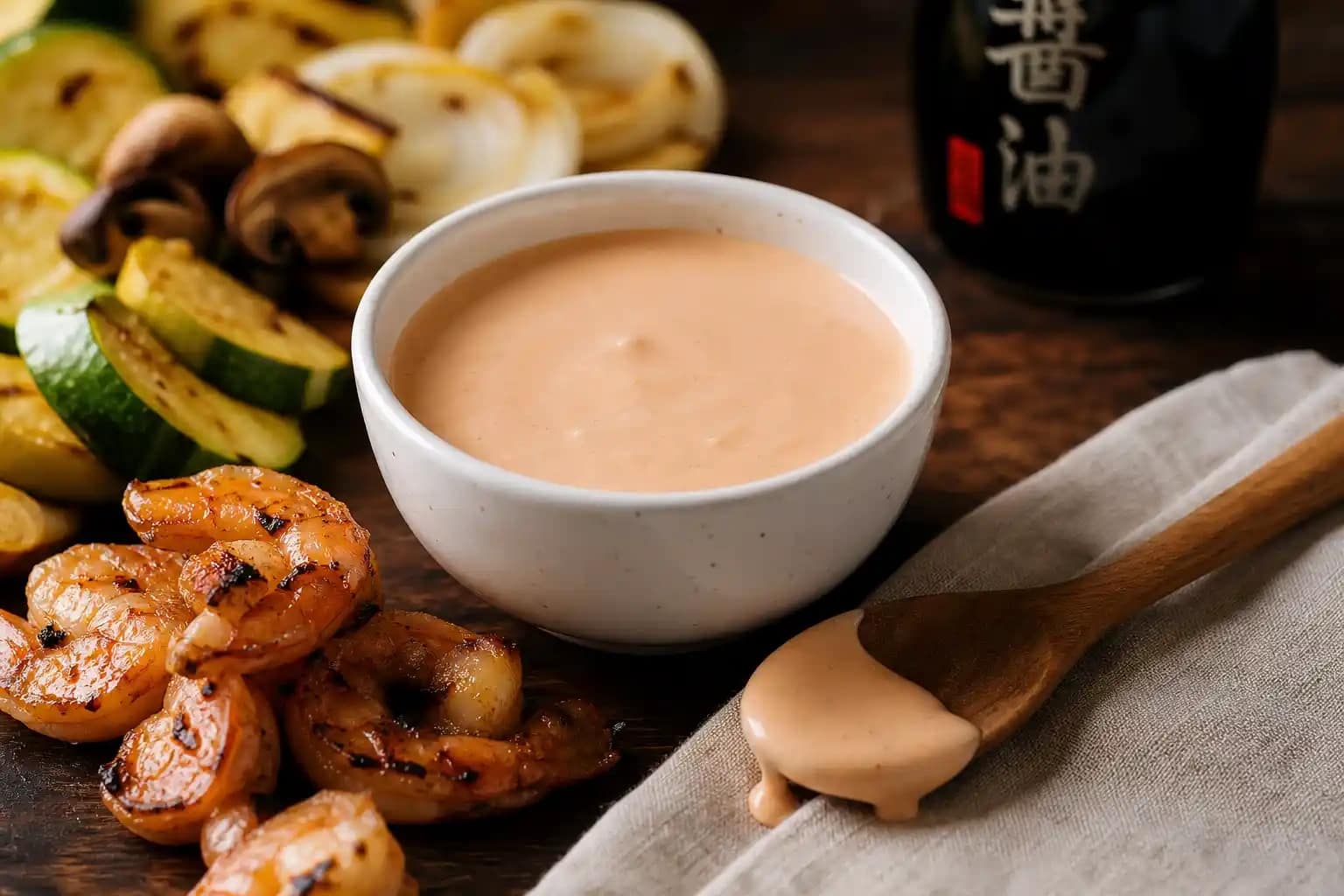
Every time I went to a hibachi restaurant, I’d eat a polite amount of food and a genuinely impolite amount of that pale pink dipping sauce. Then I found out it takes five minutes to make at home and costs about a dollar per batch. The restaurant visits changed after that.
This yum yum sauce recipe produces that exact creamy, tangy, slightly sweet hibachi white sauce recipe you’ve been dipping your shrimp and vegetables into for years. Five minutes of stirring, thirty minutes of chilling, and you have a sauce that improves literally everything it touches — grilled protein, vegetables, rice, fried foods, or just a spoon.
What You’ll Need (Ingredients)
Pantry staples that combine into something that tastes surprisingly complex for how simple it actually is.
For the yum yum sauce:
- 1 cup mayonnaise, full fat
- 2 tablespoons tomato paste or ketchup
- 1 tablespoon melted butter
- 1 tablespoon rice vinegar or apple cider vinegar
- 1 teaspoon garlic powder
- 1 teaspoon onion powder
- 1/2 teaspoon smoked paprika
- 1/2 teaspoon sugar
- 1 to 2 tablespoons water, for consistency
- pinch of cayenne pepper, optional
- salt to taste
How to Make It — Full Step-by-Step Process
Step One: Gather and Measure Everything First
Measure every ingredient before you start mixing, since this recipe moves quickly once you begin and stopping to measure mid-process causes over or under-seasoning. Place your mayonnaise, tomato paste or ketchup, melted butter, rice vinegar, and all the dry seasonings in individual small dishes or measuring spoons before combining anything.
The melted butter in particular needs a minute to cool slightly before it goes into the mayonnaise base. Hot butter added directly to cold mayonnaise can cause the sauce to look slightly separated or greasy rather than smooth and cohesive. Let it sit for 2 minutes after melting before combining.
Step Two: Combine the Mayonnaise Base
Add 1 cup of full-fat mayonnaise to a medium mixing bowl. Full-fat mayonnaise produces the richest, creamiest texture and the characteristic pale, slightly glossy appearance of authentic Japanese yum yum sauce. Reduced-fat mayonnaise works but produces a noticeably thinner, less satisfying sauce that doesn’t cling to food as well.
Add 2 tablespoons of tomato paste or ketchup to the mayonnaise and stir together until the color distributes evenly throughout. The tomato component is what creates the sauce’s signature pale pink-orange color and adds a subtle sweetness and umami depth that plain mayonnaise alone doesn’t produce. Tomato paste gives a cleaner flavor while ketchup adds extra sweetness.
Step Three: Add the Butter and Vinegar
Pour the cooled melted butter into the mayonnaise and tomato mixture and stir continuously until fully incorporated. The butter adds richness and a slightly different mouthfeel than mayonnaise alone, rounding out the sauce and making it taste noticeably more indulgent. This is one of the details that separates DIY yum yum sauce from basic mayonnaise-based sauces.
Add 1 tablespoon of rice vinegar and stir thoroughly. The vinegar provides the characteristic subtle tang that balances the richness of the mayonnaise and butter. Rice vinegar works best since its mild, slightly sweet acidity complements the other flavors without being sharp. Apple cider vinegar makes a serviceable substitute but adds a slightly more pronounced tang.
Step Four: Add All the Dry Seasonings
Add 1 teaspoon of garlic powder, 1 teaspoon of onion powder, 1/2 teaspoon of smoked paprika, 1/2 teaspoon of sugar, and a pinch of cayenne if using directly into the bowl. Stir everything together thoroughly for about 30 seconds until the spices distribute completely and no dry pockets remain visible throughout the sauce.
Have you ever made a sauce and found the seasoning tasted uneven, with one bite tasting bland and the next tasting overwhelmingly spiced? That happens when spices don’t fully dissolve into the base. Stir for the full 30 seconds here and make sure the sauce looks uniformly pale pink with no visible specks of unincorporated seasoning.
Step Five: Adjust Consistency With Water
Add 1 tablespoon of water to the sauce and stir to combine. Taste the consistency and decide whether you want it slightly thinner for drizzling over rice and noodles, or slightly thicker for dipping fried foods and vegetables. Add the second tablespoon of water if you prefer a more pourable result.
FYI, the yum yum sauce recipe hibachi restaurants serve tends toward a thinner, more drizzleable consistency than a thick dip. If you’re serving it as a dipping sauce for vegetables or shrimp, the single tablespoon of water produces a better result. If you want to drizzle it generously over a hibachi rice bowl, use both tablespoons.
Step Six: Taste and Adjust Seasoning
Taste the sauce before chilling and adjust based on what it needs. If it tastes flat, add a pinch more salt. If it needs more brightness, add a few extra drops of vinegar. If it tastes too tangy, add another 1/4 teaspoon of sugar to balance. If you want more heat, increase the cayenne by a pinch at a time.
IMO, this tasting and adjusting stage separates a good copycat yum yum sauce from a great one. Every brand of mayonnaise and tomato paste varies in saltiness and sweetness, so the recipe needs a final personal calibration before chilling to account for those differences.
Step Seven: Chill Before Serving
Cover the bowl tightly with plastic wrap or transfer the sauce to a sealed jar and refrigerate for at least 30 minutes before serving. This chilling period allows all the flavors to meld together and the butter to fully incorporate into the emulsion, producing a more cohesive, developed flavor than the sauce has immediately after mixing.
The difference in flavor between freshly made and 30-minute chilled sauce is genuinely noticeable. The garlic and onion powder in particular bloom and develop during this rest period, shifting from a slightly raw, powdery quality into a smooth, integrated flavor that tastes much closer to the Benihana yum yum sauce experience everyone recognizes.
What Makes This Taste Like the Real Thing
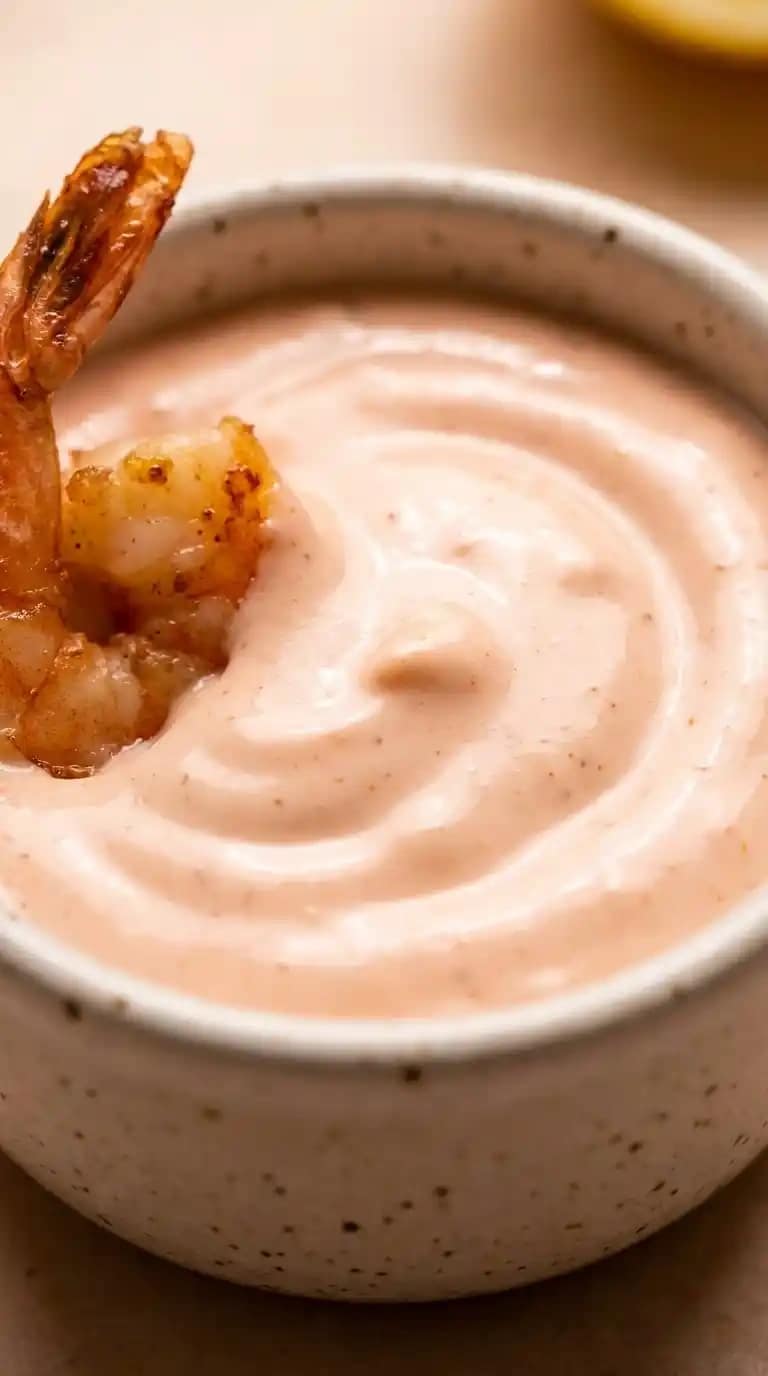
Have you ever made a copycat sauce at home and found it tasted close but not quite right? The two elements that most homemade yum yum sauce recipes miss are the melted butter and the mandatory chilling time.
Most recipes correctly identify mayonnaise and tomato paste as the base, but skip the butter entirely and serve it immediately. The butter creates a richness that mayonnaise alone doesn’t produce, and the chilling time lets the flavors develop into something that tastes genuinely familiar rather than just similar.
Healthy Yum Yum Sauce Variations
Lower-Fat Version
Swap the full-fat mayonnaise for a half-and-half mixture of regular mayonnaise and plain Greek yogurt for a healthy yum yum sauce recipe that cuts the fat significantly without sacrificing the creamy texture entirely. Greek yogurt adds a slightly tangier quality that works well alongside the vinegar and paprika already in the recipe.
Skip the butter entirely in this version and use 1/4 teaspoon of butter extract instead if you still want that richness. The result is noticeably lighter than the classic version but still genuinely satisfying as a dipping sauce.
What to Serve With Yum Yum Sauce
The versatility of this sauce as a dipping sauce recipe is genuinely one of its best qualities. It works on everything.
Classic pairings from hibachi restaurants include grilled shrimp, sliced chicken, fried rice, sautéed vegetables, and grilled steak. Beyond the hibachi context, yum yum sauce works brilliantly as a dipping sauce for french fries, a drizzle over grain bowls, a spread inside wraps and sandwiches, and a dipping companion for raw vegetables and spring rolls.
Common Mistakes to Avoid
Using hot butter: Hot butter breaks the emulsion in the mayonnaise and creates a greasy, separated sauce. Always let melted butter cool for 2 minutes before adding.
Not chilling before serving: The fresh, unrested sauce tastes noticeably less developed and slightly powdery from the garlic and onion powder. Always chill for at least 30 minutes.
Using reduced-fat mayonnaise as the full base: The sauce turns thin and watery rather than creamy and clingy. Full-fat mayonnaise produces the best result without exception.
Skipping the vinegar: The acidity from the vinegar is essential for balancing the richness of butter and mayonnaise. Leaving it out produces a sauce that tastes heavy and one-dimensional.

Japanese Yum Yum Sauce With Simple Pantry Staples
1
Cup5
minutes30
minutesThis homemade yum yum sauce combines full-fat mayonnaise with tomato paste, cooled melted butter, rice vinegar, garlic powder, onion powder, and smoked paprika, stirred together and chilled for 30 minutes before serving. Ready in 35 minutes with a five-minute active prep time, it delivers authentic hibachi white sauce flavor at home.
Ingredients
For the yum yum sauce:
1 cup mayonnaise, full fat
2 tablespoons tomato paste or ketchup
1 tablespoon melted butter, cooled
1 tablespoon rice vinegar or apple cider vinegar
1 teaspoon garlic powder
1 teaspoon onion powder
1/2 teaspoon smoked paprika
1/2 teaspoon sugar
1 to 2 tablespoons water, for consistency
pinch of cayenne pepper, optional
salt to taste
Directions
- Measure all ingredients before starting and let melted butter cool for 2 minutes
- Add full-fat mayonnaise to a medium mixing bowl
- Add tomato paste or ketchup and stir until the color distributes evenly throughout
- Pour in the cooled melted butter and stir until fully incorporated
- Add rice vinegar and stir thoroughly to combine
- Add garlic powder, onion powder, smoked paprika, sugar, and cayenne if using
- Stir continuously for 30 seconds until all spices distribute completely with no dry pockets visible
- Add 1 tablespoon of water and stir to reach your preferred consistency
- Add a second tablespoon of water if you want a more pourable sauce
- Taste and adjust with salt, extra vinegar, sugar, or cayenne as needed
- Cover tightly and refrigerate for at least 30 minutes before serving
- Stir briefly before serving and store leftovers in a sealed jar for up to 1 week
FAQs
Q1: How long does homemade yum yum sauce last in the fridge?
Store in an airtight container or sealed jar for up to 1 week. The sauce actually tastes best on days 2 and 3 after making, since the flavors continue developing during refrigeration.
Q2: Is this the same as Benihana yum yum sauce?
This recipe produces a very close approximation of the Benihana yum yum sauce flavor profile. The exact recipe is proprietary, but the combination of mayonnaise, tomato paste, butter, and paprika captures the essential character reliably.
Q3: Can I make yum yum sauce without tomato paste?
Substitute ketchup using the same quantity for a slightly sweeter, less concentrated result. Sriracha mixed with a tiny amount of ketchup also works for a spicier variation.
Q4: Why is my yum yum sauce too thick?
Add water one teaspoon at a time and stir until the consistency loosens to your preference. The sauce thickens slightly during chilling too, so making it slightly thinner than desired before refrigerating produces the right consistency after chilling.
Q5: Can I use this sauce as how to make yum yum sauce at home for meal prep?
Yes, this sauce stores well for up to 1 week and works across multiple meals throughout the week. Make a double batch on Sunday and use it on everything from grain bowls to sandwiches throughout the week.
Q6: What’s the difference between yum yum sauce and spicy mayo?
Yum yum sauce uses tomato paste, butter, garlic powder, and onion powder for a more complex, savory-sweet profile. Spicy mayo combines mayonnaise with sriracha or chili sauce only, producing a simpler, sharper heat-forward sauce without the depth of flavor that yum yum sauce delivers.
Wrapping It Up
This yumyum sauce recipe delivers an authentic hibachi restaurant experience at home through full-fat mayonnaise, tomato paste, cooled melted butter, rice vinegar, and properly mixed dry seasonings, finished with a mandatory 30-minute chill. Use full-fat mayo, let the butter cool, stir the seasoning thoroughly, taste before chilling, and always rest it in the fridge. Those habits make this sauce genuinely great every time.
Whether you serve it alongside grilled shrimp, drizzle it over fried rice, or just dip vegetables into it for lunch, this sauce earns its place in your regular refrigerator rotation. Now measure those ingredients and start stirring.